
Equipping Farmers to Better Prevent Animal Disease Outbreaks in Europe
Brussels, 14 October 2026; Hosted by AnimalhealthEurope, the Irish Presidency associated event, “Equipping Farmers to Better Prevent Animal Disease Outbreaks in Europe”, highlighted a clear message from across the animal value chain: prevention and preparedness are the most effective and sustainable ways to protect Europe’s animals, farming communities, and food systems.
Opening the discussion, Donal Callaghan, Policy Executive at the Irish Farmers’ Association’s Brussels bureau, painted a picture of the realities farmers face on the ground and the growing costs for managing animal disease. He shared the example of Ireland’s experience with bovine tuberculosis, which has seen around 40,000 animals affected in the past year at an annual cost of approximately €300 million. Donal stressed that vaccination, veterinary guidance and practical on-farm support remain essential tools for preventing disease outbreaks, but highlighted the lack of focus on animal health in the CAP budget.
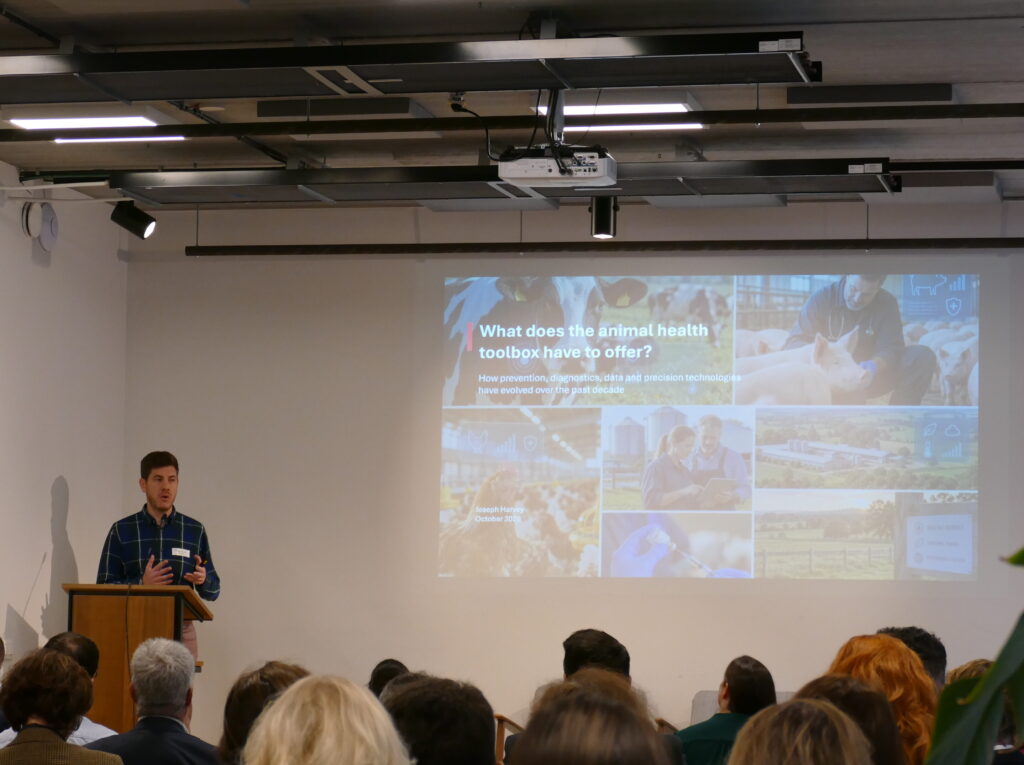
Looking at how to better equip farmers for disease prevention three speakers shared their thoughts in terms of tools, knowledge, and policy. First up, Joseph Harvey, Head of Animal Health at S&P Global, highlighted the rapid pace of innovation in the animal health space, explaining that, although the toolbox has widened, prevention remains the foundation. Animal healthcare has come a long way over the past decade from the initial offerings of medicines, vaccines and episodic diagnostics. Whilst these tools remain essential today, they are increasingly accompanied by sensors, molecular surveillance, genomics, digital identity and analytics which are helping farmers to prevent more, detect earlier, and intervene more precisely as well as measure the outcome.
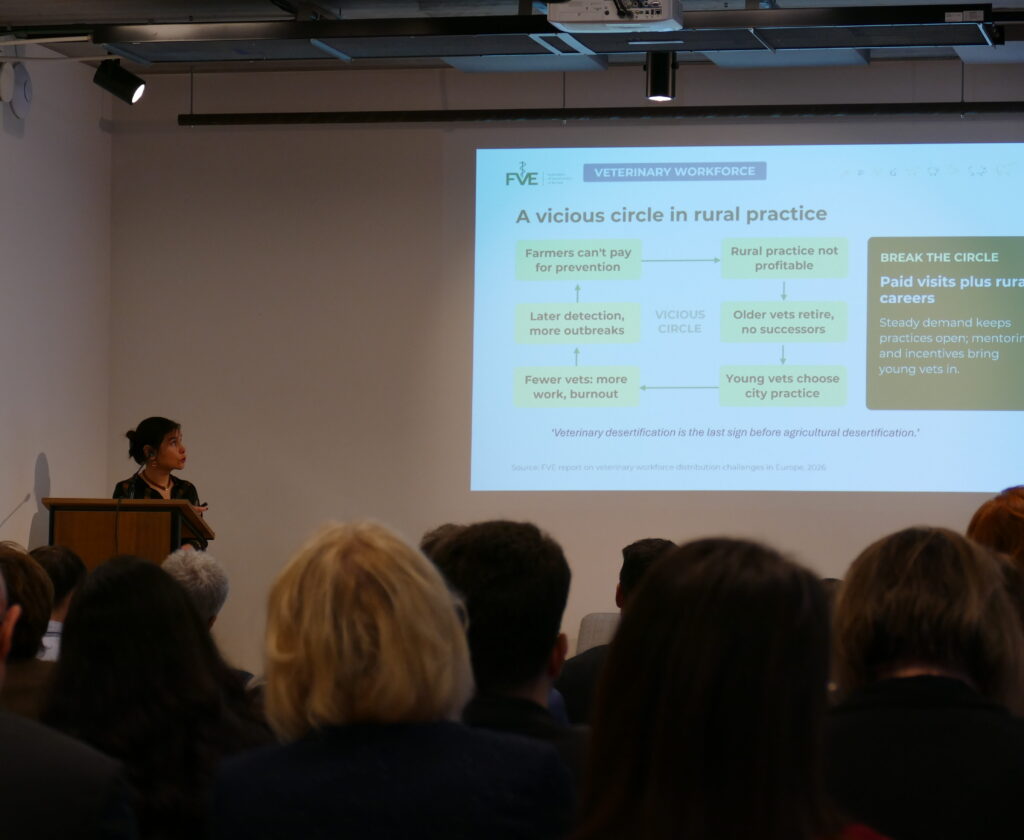
Speaking for the Federation of Veterinarians of Europe, Executive Director Nancy de Briyne, pointed out that effective prevention begins with a strong farmer-veterinarian relationship. Nancy called for greater implementation of Animal Health Law farm visits, citing Ireland’s funded animal health visits programme as a good example, as it has recorded more than 85,000 farm visits since 2016. She stressed that farm visits should not be a tick-box exercise however, as the goal should be to develop a clear animal health plan that the farmer can follow throughout the year. Nancy also shared findings from a recent survey of veterinary professionals in Europe, pinpointing the decreasing number of livestock veterinarians. With the increasing number of disease outbreaks, it is clear that Europe needs viable rural veterinary practices to deliver the services that livestock farmers need.
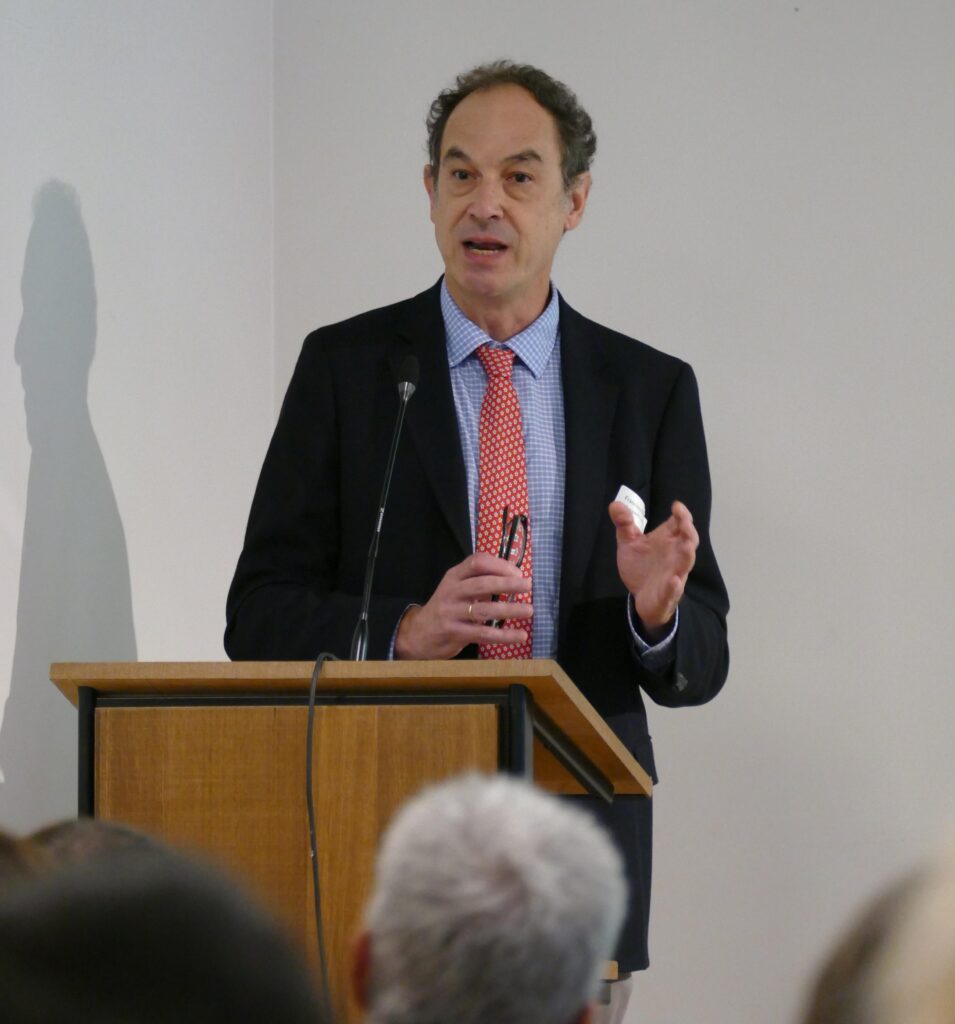
Finishing this session of the event with a focus on EU policy, Francisco Reviriego Gordejo from the European Commission’s Health and Animal Welfare DG, covered some key opportunities to further strengthen Europe’s animal health framework. While acknowledging the achievements of the Animal Health Law, he confirmed there is room for improvement in areas such as disease categorisation, biosecurity promotion, outbreak preparedness, and enabling vaccination where and when needed. He also underlined the importance of ensuring funding for all the elements of prevention, including contingency planning, regionalisation measures, and crisis preparedness as Europe develops its next Multiannual Financial Framework (MFF).
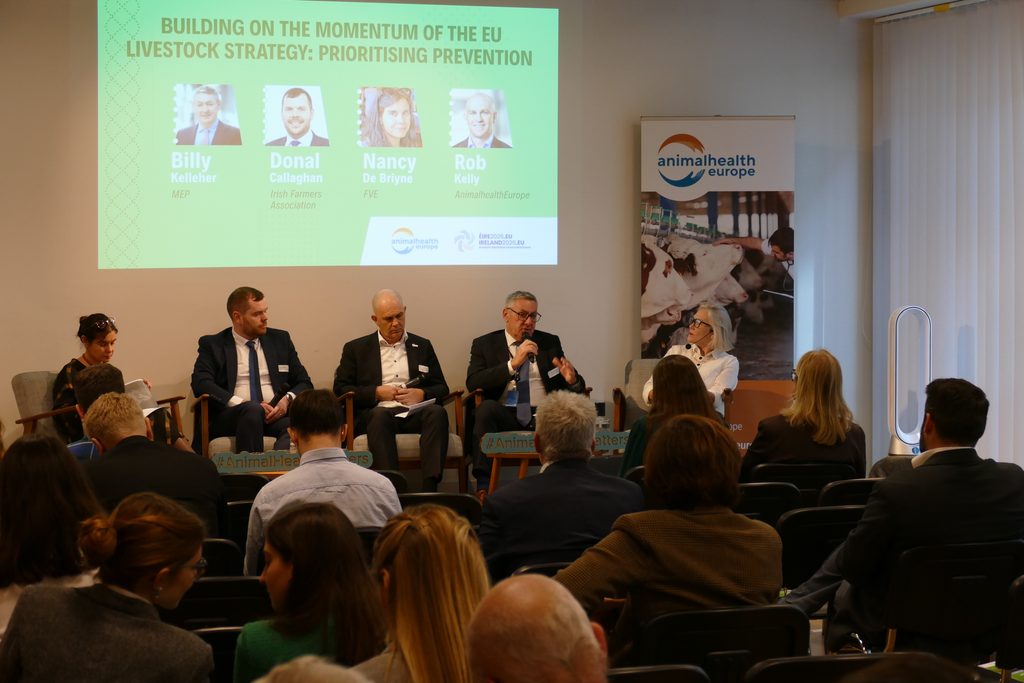
During a panel discussion on how to prioritise prevention and build on the momentum of the EU Livestock Strategy, MEP Billy Kelleher highlighted how previous disease crises, including BSE and foot-and-mouth disease, demonstrated the enormous economic and social consequences of animal disease outbreaks. He said that the EU must make a strong case for animal disease prevention and preparedness based on science and facts, and also assess how vaccination can play a more meaningful role in protecting both animal and public health. He also pointed to the need to maintain consumer confidence in our food system, by ensuring traceability throughout the food chain.
Rob Kelly, AnimalhealthEurope president, highlighted the need to invest in farmer education. He said that farmers will adopt prevention tools when there is clear evidence of return on investment, so we need better data to demonstrate the value that vaccines and other preventive measures deliver. Echoing Rob’s point, Nancy de Briyne pointed to the experience of highly pathogenic avian influenza (HPAI) control efforts in France, where preventive measures were estimated to cost only a fraction of the outbreak response and management measures.
Throughout the discussion, panellists repeatedly returned to one key theme: prevention succeeds when all actors work together.
Drawing attention to the Irish Presidency’s slogan ‘Ní neart go cur le chéile – Strength with unity’, Donal Callaghan stated that there needs to be a top-down approach where policymakers create the framework, veterinarians translate the science into practical advice, and farmers are empowered with the tools and knowledge needed to take action.
Concluding the event with a forward-looking and practical note, Lajos Bognar, the World Organisation for Animal Health’s Sub-Regional Representative for Brussels recalled the recent creation of the PREVENT Forum. He announced that the first regional PREVENT Forum meeting for Europe is scheduled to take place in Budapest in April 2027. Participants will explore vaccination strategies and barriers to vaccine uptake amongst other topics, with the aim of advancing regional cooperation on disease prevention and preparedness.
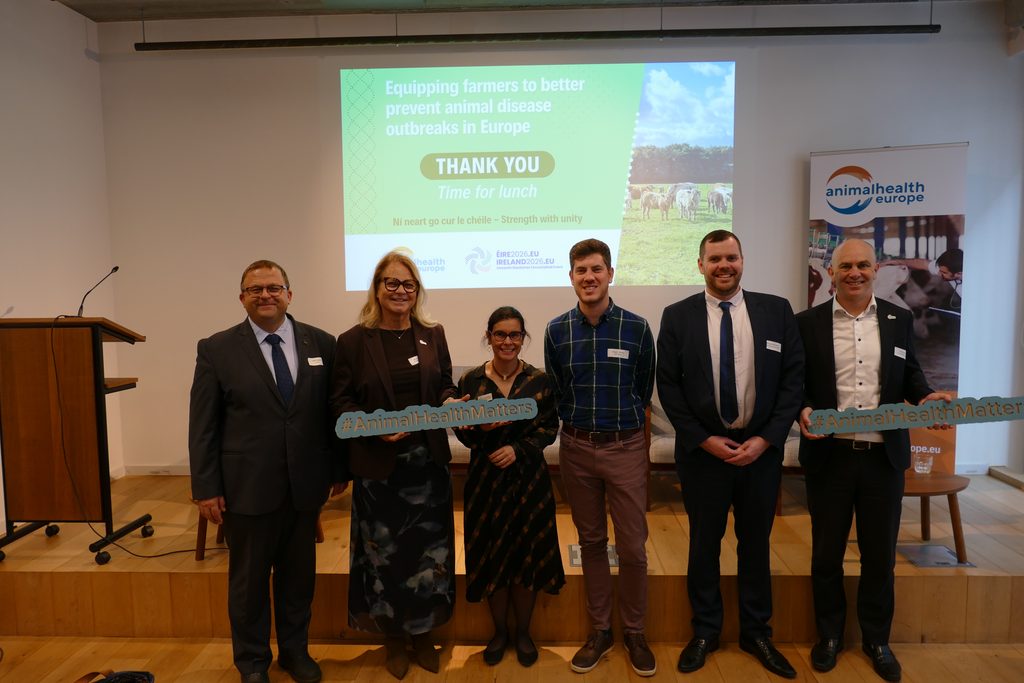
The event ended with a united call to ensure that the future EU budget prioritises animal health as a cornerstone of food security, sustainability, and One Health.