
In a time of shrinking budgets, how can Europe finance healthy herds?
The European Commission, international organisations, industry representatives, farmers, veterinarians and financial stakeholders gathered at the AnimalhealthEurope annual conference to discuss a crucial question facing Europe and the wider global community: how to shift resources from reacting to animal disease crises towards preventing them in the first place. In an opening video message, Commissioner Varhelyi said, “The message of this conference is clear – and the Commission agrees – animal health is an investment not a cost.”
Keynote speaker, Holger Kray from the World Bank highlighted that while billions of euros are spent every year managing the consequences of animal disease outbreaks, far less is invested in preparedness measures that could significantly reduce the far-reaching impacts of these outbreaks. He stressed that animal disease outbreaks can have consequences that last for generations, including the loss of valuable livestock genetics, impacts on rural communities, disruptions to trade and threats to food security. “Europe is spending billions after the fire instead of investing in fireproofing,” he noted, highlighting that “the challenge is not necessarily to spend more, but to spend differently.”
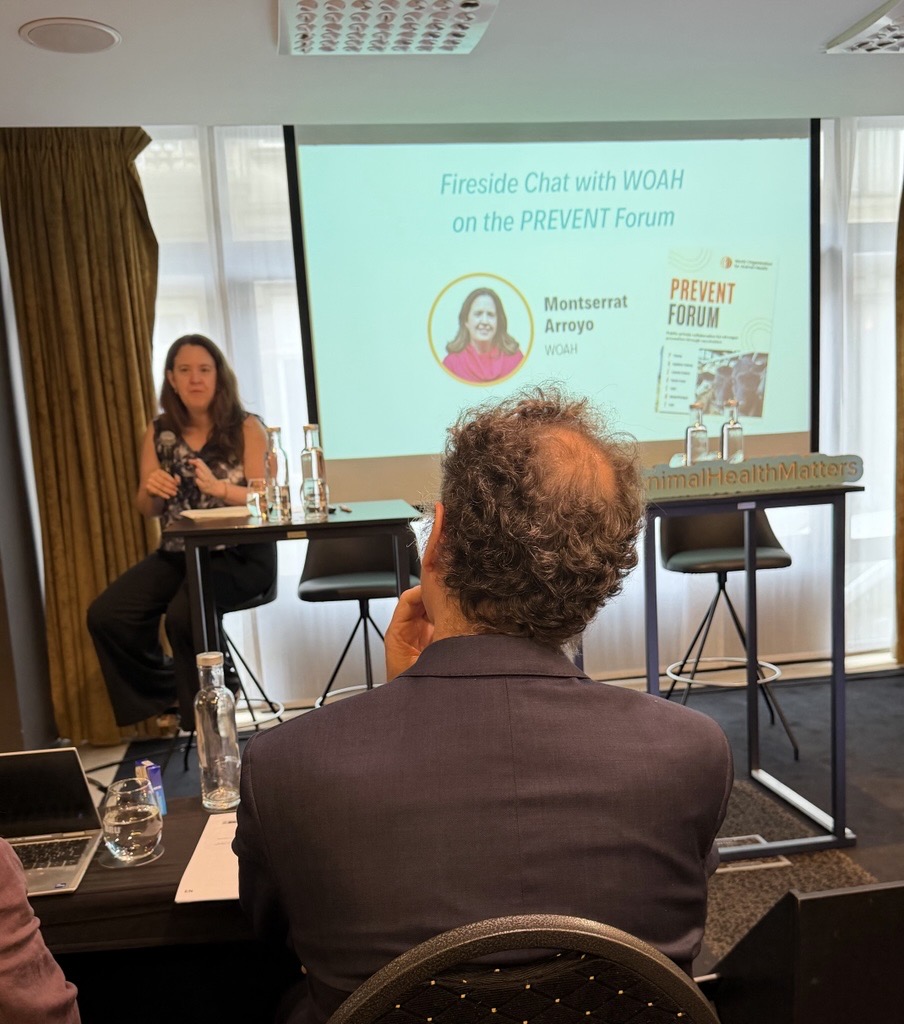
As disease knows no borders, the also focused on developments at the international level, including the recently launched WOAH PREVENT Forum. Deputy Director General Montserrat Arroyo shared highlights on the initiative which brings together governments, international organisations, the animal health industry, supply chain actors and food producers to turn the momentum for disease prevention into concrete action. Speakers also called for stronger involvement of human and environmental health stakeholders to ensure a truly integrated One Health approach.
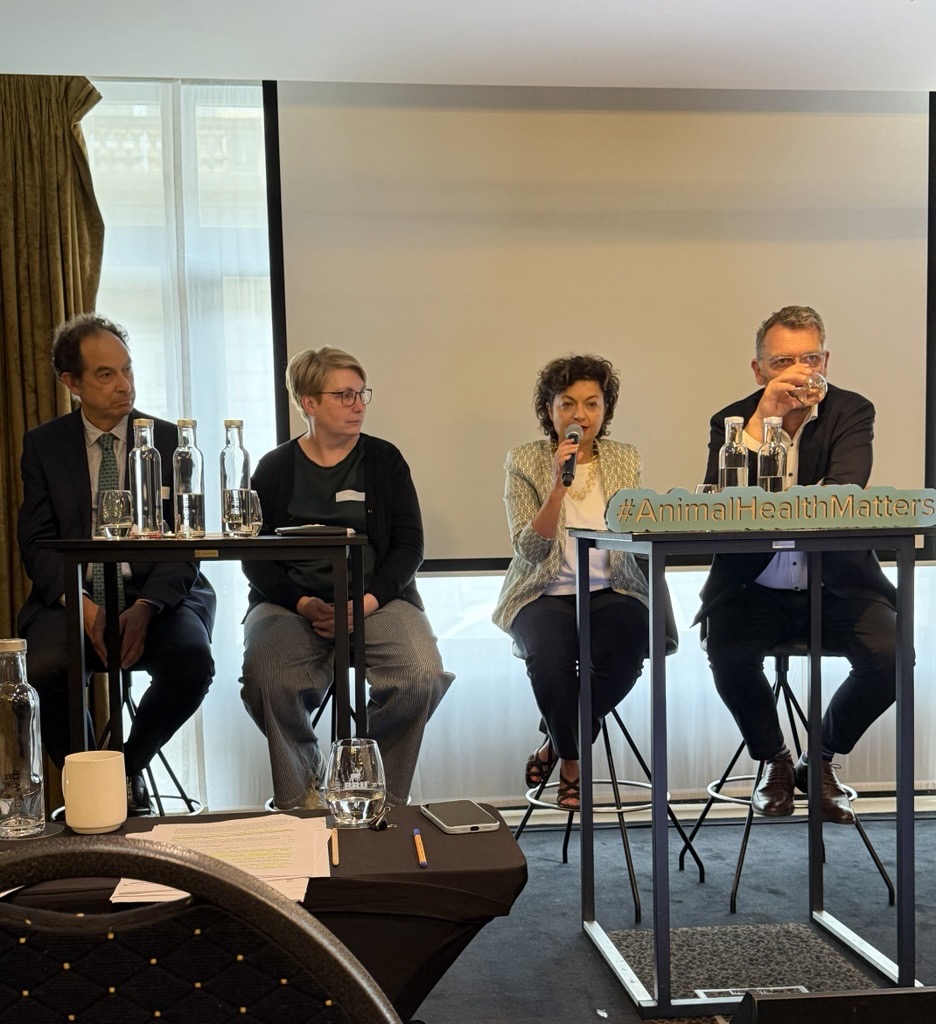
Our first panel discussion examined how prevention and preparedness can be funded more effectively, and who should fund this. Speakers including Paco Reviriego (DG SANTE), Chantal Rettigner (AFSCA), Antonella Rossetti (Cabinet Hansen), and Holger Kray (World Bank) broadly agreed that public-private partnerships (PPPs) offer one of the most promising approaches to agricultural risk management. The panel agreed that animal health should be recognised as a public good while also remaining a shared responsibility across the livestock value chain. Strong public funding instruments, including support through the Common Agricultural Policy, remain essential, but must be complemented by private investment, mutual funds, and better risk management tools. The importance of aligning vaccination strategies with trade policy was also emphasised, recognising that healthy animals are the foundation of safe and sustainable trade.

Following the panel discussion, participants heard a powerful testimonial from a veterinarian from Haute-Savoie, a region badly affected by the lumpy skin disease (LSD) outbreak. Nicolas Berthollet, regional vice-president of the French ‘Groupement Technique Vétérinaire’, described the onslaught of confusion and frustration felt amongst the affected farms during the early stages of the outbreak, when vaccines were not immediately available and many farmers had little knowledge of the disease or how to manage it. His play-by-play painted a worrying picture of the tensions between the farmers and the vets carrying out the stamping-out measures, and local authorities, intensified by misinformation circulating on social media, leading to public distrust and significant distress within affected communities.
Nicolas’ experience highlighted the critical importance of communication, preparedness and trust between farmers and veterinary authorities before crises emerge. Participants agreed that stronger collaboration during “peace time” is essential to ensure effective responses during emergencies.
Our second panel focused on non-financial barriers and actions needed to support enhanced animal disease prevention in Europe. Speakers, Montserrat Arroyo (WOAH), Inma Aznar (EFSA), Marion Picot (CEJA), and Nicolas Berthollet (Vet) called for stronger veterinary public health systems, enhanced education and training for both farmers and vets, as well as improved access to and use of both qualitative and quantitative data. Concerns were raised about existing gaps in disease intelligence and Europe’s reliance on information from outside its borders to monitor emerging threats.
Participants also highlighted challenges facing the next generation of livestock farmers, and reflected on the upcoming publication of the EU Livestock Strategy, stressing that success of the strategy will not depend on commitments alone, but on effective implementation. The importance of science-based international standards was also discussed, including progress on vaccination strategies and standards that support both disease control and trade.
A recurring theme throughout the discussions was the need for a genuine One Health approach, recognising the interconnectedness of animal, human and environmental health. Speakers agreed that isolated animal health policies are insufficient and that greater coordination between sectors is needed to strengthen resilience against future disease threats.
Concluding the event, AnimalhealthEurope Director General, Roxane Feller said:
“One of the greatest threats to the resilience of the livestock sector is animal disease. Strengthening preparedness, encouraging investment in prevention, expanding access to vaccination, fostering an enabling regulatory environment, improving data collection and use, and fostering collaboration across public and private sectors will be critical to safeguarding Europe’s food systems and rural communities.
The central message of our conference is clear: prevention is an investment that delivers returns far beyond animal health alone. By acting together now, Europe can build a more resilient and sustainable future for all.”
– ENDS –